Your masterpiece in the Caribbean
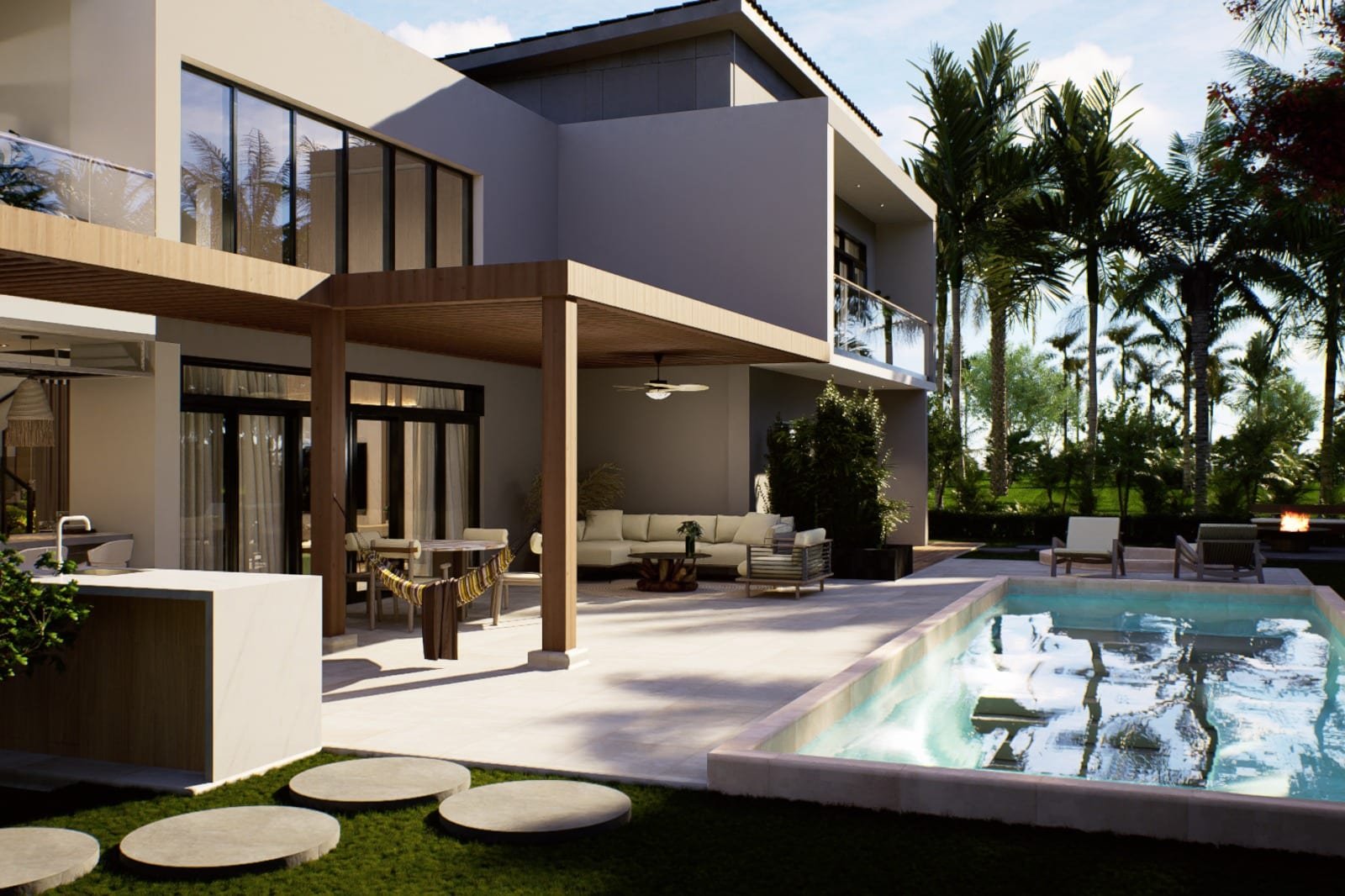
Villa Cap Cana
Turnkey design and construction
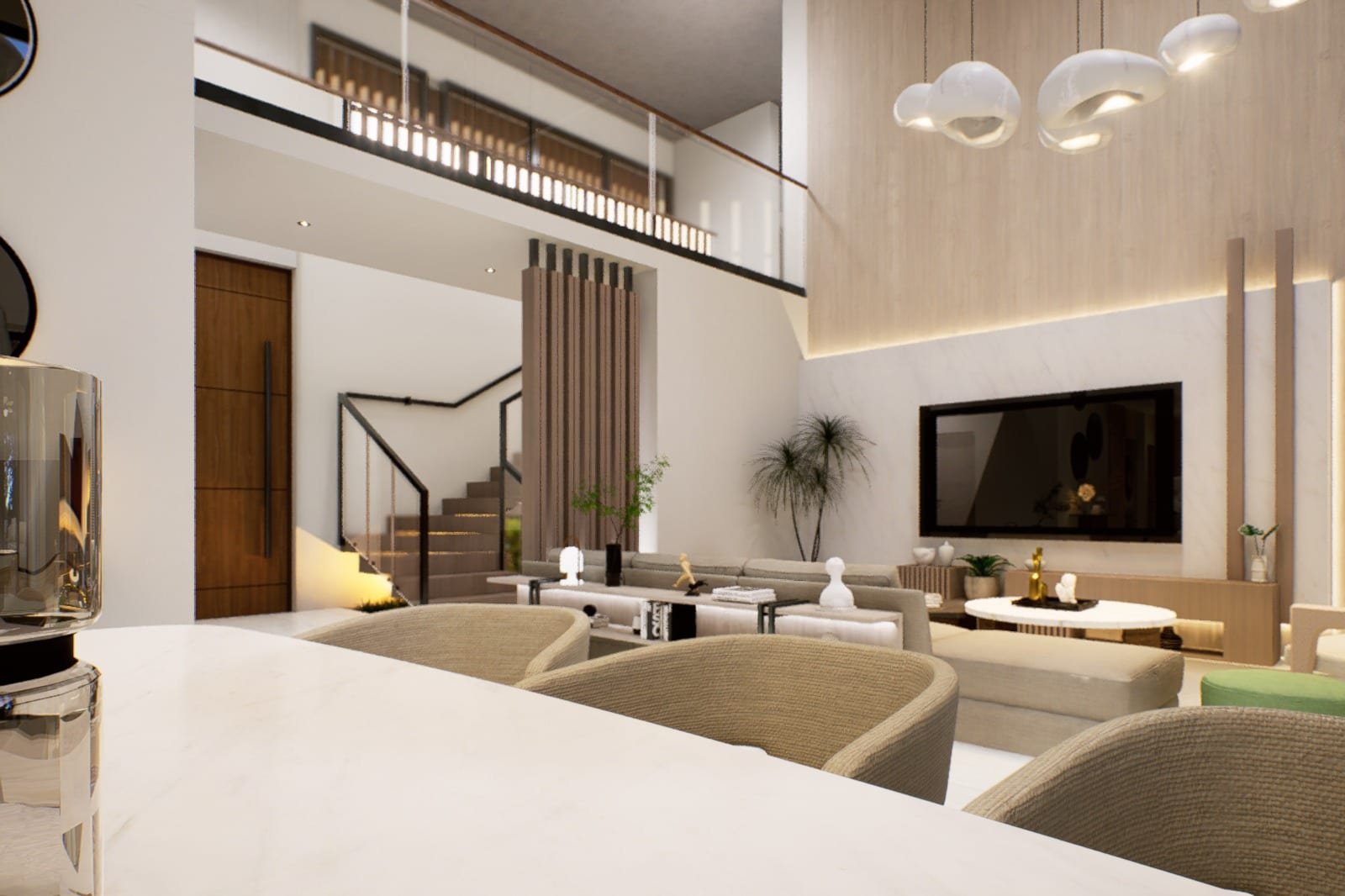
Villa Cap Cana
Interior design and décor by JADA
Drawing on the experience of our founder, who has been building in the Dominican market since 2010, we are ready to transform your ideas into an architectural masterpiece in destinations such as Cap Cana, Casa de Campo, Punta Cana or Playa Nueva Romana.
Whether you have already purchased your lot and don’t know where to start, or you are considering buying one and need guidance, we are here to walk you through every step of the way.
Imagine living in a villa that exceeds your expectations with style and elegance. From planning to final delivery, our streamlined process is designed so your only concern is enjoying your new home.
We can’t wait to make your dream villa a reality. We guarantee an exciting, hassle-free experience. Ready to begin? Call us or write to us for a personalized consultation — it’s that simple!
This is how we build your villa, step by step
One accountable team from start to finish. You approve each stage; we execute every detail.
Land purchase advisory
We guide you to choose and acquire the ideal lot in the right destination, at the right price.
Concept and design
We turn your vision into detailed plans and 3D renders so you see your villa before it is built.
Permits and legal
We handle every permit and filing with the Dominican authorities and each resort.
Construction
From the foundation to the last coat of paint, with premium materials and meticulous attention to detail.
Construction management and supervision
Logistics, budget and deadlines under control, with photo and video progress reports wherever you are.
Interior design and décor
If you want it, our own team delivers it furnished and decorated. It is optional and quoted separately.
Land purchase advisory
The decision that shapes the budget most is not the size of the villa: it is the lot. Within the same community, two plots two hundred meters apart can differ widely in price, in what you are allowed to build on them and in what the foundations will cost. That is why this first stage happens before you sign anything.
We review with you what actually drives the final number:
- The community regulations: setbacks, maximum height, footprint percentage and mandatory finishes. They determine what villa actually fits on that lot.
- Orientation and views, which no amount of money fixes later.
- The condition of the land: topography, soil type and access to utilities. A cheap sloping or rocky lot can cost more once you get to the foundations.
- The legal situation: title, survey and encumbrances. Checked before the purchase agreement, not after.
- The real reference price for the area, so you know whether what you are being asked is market rate.
Concept and design
The initial conversation turns into plans and 3D renders. The goal of this stage is for you to see the finished villa before the first block is laid, because moving a wall in a render costs an afternoon and moving it on site costs weeks and money.
Designing for the Caribbean has its own rules: orientation relative to the sun and the prevailing breeze decides how much air conditioning you will pay for over twenty years; overhangs and slatted screens do more for comfort than any equipment; and materials have to withstand salt air and humidity if you are near the sea.
The design closes when you approve it. From there comes the firm budget, which is what gets signed.
Permits and legal procedures
Building in the Dominican Republic requires two approvals that run in parallel, and many people find out about the second one late: the State’s and the community’s own.
On the public side, the project goes through the Ministry of Public Works (MOPC) for the building permit, and depending on location and size it may require environmental authorization from the Ministry of the Environment. Municipal filings and utility connections come on top.
On the private side, each community has an architectural committee that checks the project against its aesthetic and volumetric rules. This is where the surprises come from: a perfectly legal design can be rejected by the community over the roof pitch or the facade color.
Timelines depend on the destination and the time of year, and they are the variable that stretches a project the most. That is why permits are filed in parallel with detailed design, not after it.
Construction
The work runs from foundations to the last coat of paint. In the Caribbean some construction decisions are not about taste but about durability: how the roof is waterproofed, how the steel is protected against salt air, the exterior joinery, and how terraces are treated against rain and pool water.
The construction schedule is organized in milestones, and each milestone has its payment within the firm budget agreed at the start. You know what is being built and what is being paid for at every point.
The rainy season and the availability of certain imported materials are the two factors that move dates the most. They are built into the plan from the start rather than showing up as a delay halfway through.
Construction management and supervision
This is the stage that separates a calm client from one who does not sleep, especially if they live abroad. Supervising is not dropping by the site: it is controlling three things at once —logistics, budget and schedule— and catching deviations while they are still cheap to fix.
You get progress reports in photos and video, wherever you are. For someone who cannot visit the site, that visual record is also the evidence of what was built and when.
Having one accountable party matters here more than at any other stage: when the architect, the contractor and the supplier are separate companies, a problem on site turns into an argument about whose fault it is. With a single point of contact, it turns into a fix.
Interior design and décor
The last stage turns a finished house into a villa ready to live in: furniture, textiles, lighting and ambiances. It is our own service, delivered by our own team, and it is optional: if you take it, the villa is handed over furnished and decorated and you arrive with your suitcases. It is quoted separately from the construction contract, because the range of furnishings is too wide for a single price.
Planning the interiors from the design stage rather than at the end has a practical consequence: light points, sockets and room dimensions are decided knowing which piece of furniture goes where. Changing that once the walls are closed is expensive and it shows.
If the villa will be rented out part of the year, the furnishing decisions change: durability and replaceability matter more than in a home for your own use. It is worth saying so up front.
How long each stage takes, when you pay, and what we need from you
From the first meeting to handover: between 18 and 24 months. The stages do not run one after another: land and design overlap, and supervision runs inside the construction stage. The stretch that moves the range is permits, and it is the only one that does not depend on us. Interiors are not part of that timeline, because they are optional: if you take them, they add around 30 days at the end.
For each stage we publish three things: how long it takes, when it is paid, and what we need from you. The third one is what lets you plan, because those are the decisions that delay the build if they are delayed.
Before the build is signed:
- Stage 1 · Land advisory and purchase. Takes 30 days or less. The advisory has no cost. All we need from you is one thing: which destination you want your villa in.
- Stage 2 · Concept and design. Takes 30 to 90 days, depending on how many changes you make along the way. This stage is worked directly with you, because the design is made to your taste.
- Stage 3 · Permits and legal. Takes 6 to 10 months and depends entirely on State institutions: it is the stretch of the calendar that neither we nor you control. Government fees run roughly between US$2,000 and US$5,000 depending on what each institution charges, and are paid separately from the design. We need nothing from you; we handle it 100%.
Getting to this point, with a firm budget and the plans in hand, involves two separate payments: the design, between US$5,000 and US$10,000, which is later deducted from the total because it is part of the price of the finish package you choose; and the permit fees, which are paid separately and are not deducted, because they are not ours to charge. The plans are yours, because they are drawn to what you want.
Once the build is signed:
- Stage 4 · Construction. Around 10 months. Paid by measured work (cubicaciones), and the amount varies with the size of the villa and the package you choose. What we need from you is payment on time: late payments delay the build.
- Stage 5 · Management and supervision. Runs in parallel with construction. It is included in the package. What we need from you is to review the weekly reports we send.
- Stage 6 · Interiors and décor. Takes 30 days. Furniture is optional and quoted separately: there are too many options to put a single price on it. It is worked directly with you.
How your money is protected while we build
If you live abroad, this is the real question: what happens to your money between payments, and what you are left with if something goes wrong. Let us start with what you can check for yourself.
- You can visit the site. And if you are still deciding whether to hire us, we can arrange a visit to one of the projects under way.
- The land is in your name from day one. We advise on the best option; you carry out the purchase and the lot is yours from the outset.
- You pay for work completed, and you certify it. You pay a 20% advance; from then on only the items actually completed are paid, measured by cubicación and certified by you, amortising that advance.
- Payments go to the company account. If you prefer to do it through a trust (fideicomiso), that is possible: the trust cost is 100% yours and is not included in the construction budget.
On price and timing, two things we would rather explain before you read them in the contract:
- Firm does not mean fixed-price. The budget carries a variation clause for rises in materials and labour: we absorb that increase up to 5% of the overall budget. The contract sets out how any increase above that percentage is handled. What does change the budget are the changes you request.
- There is a contractual delivery date and a penalty for delay. Both are written into the contract, not agreed verbally. And if the community architecture committee asks for design changes, the rework is covered by what you paid at the design stage.
And once the villa is finished:
- One year of warranty on everyday-use elements, plus a hidden-defects policy. Both in writing in the contract.
- All-risk construction insurance and civil liability cover. The contract establishes that liability for site accidents is 100% the contractor’s.
Where do you want to build your villa?
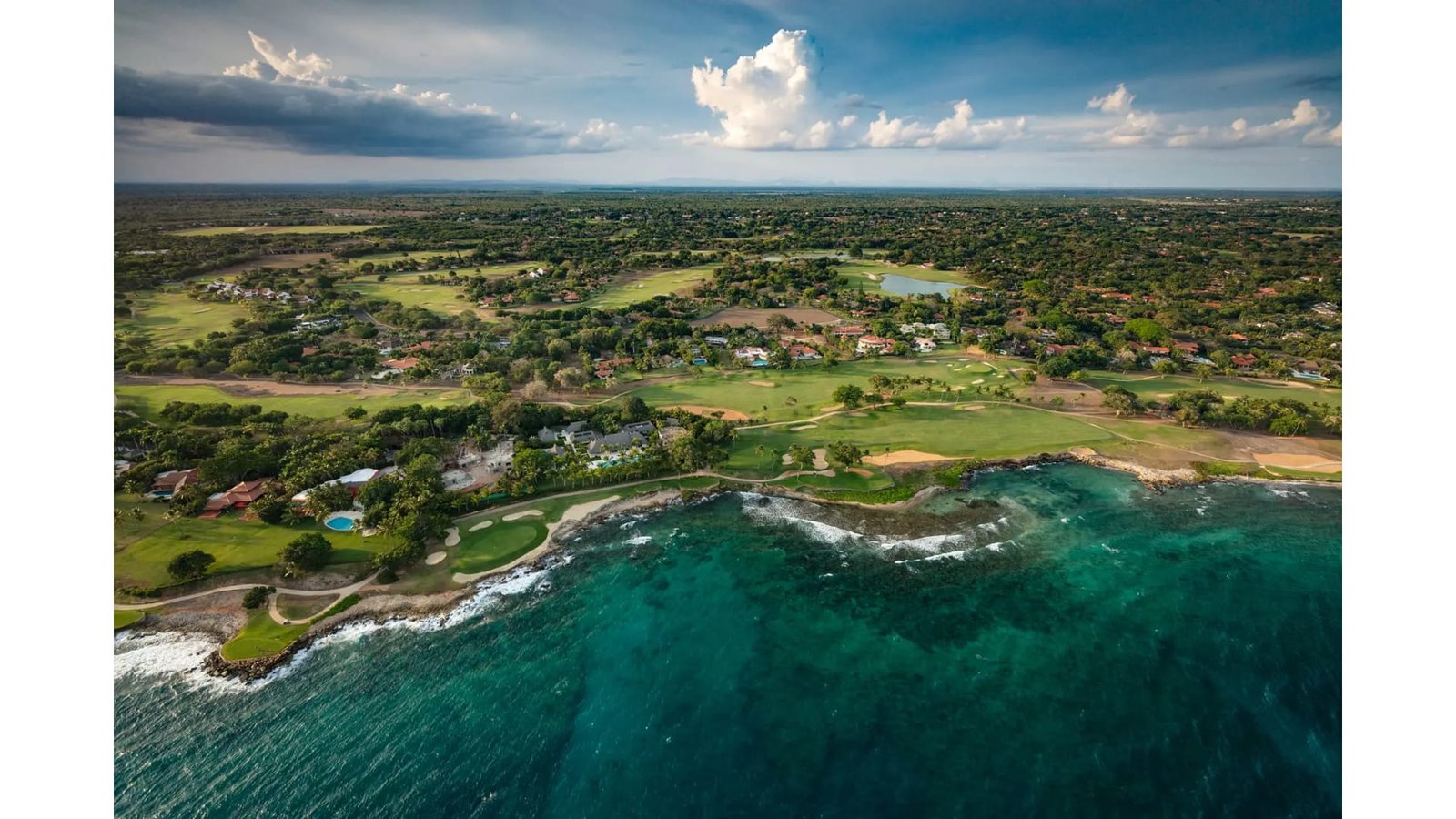
Casa de Campo
The Caribbean’s most iconic resort, home of the legendary Teeth of the Dog.
Build here →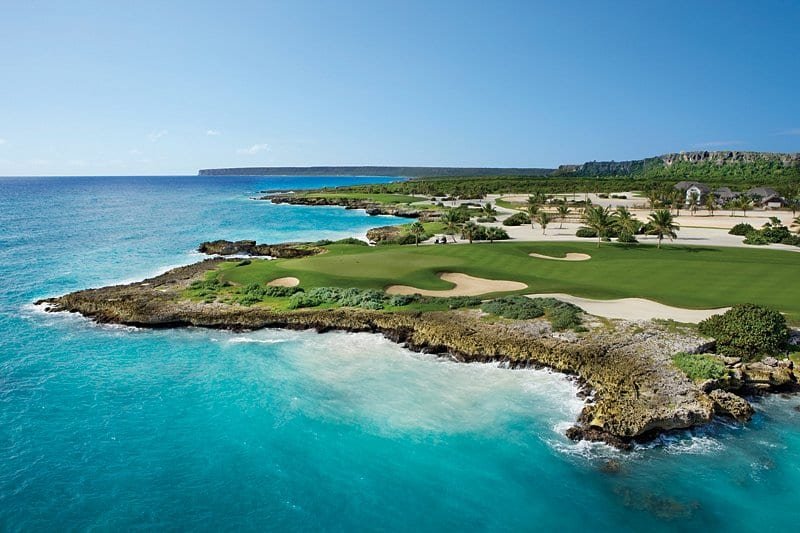
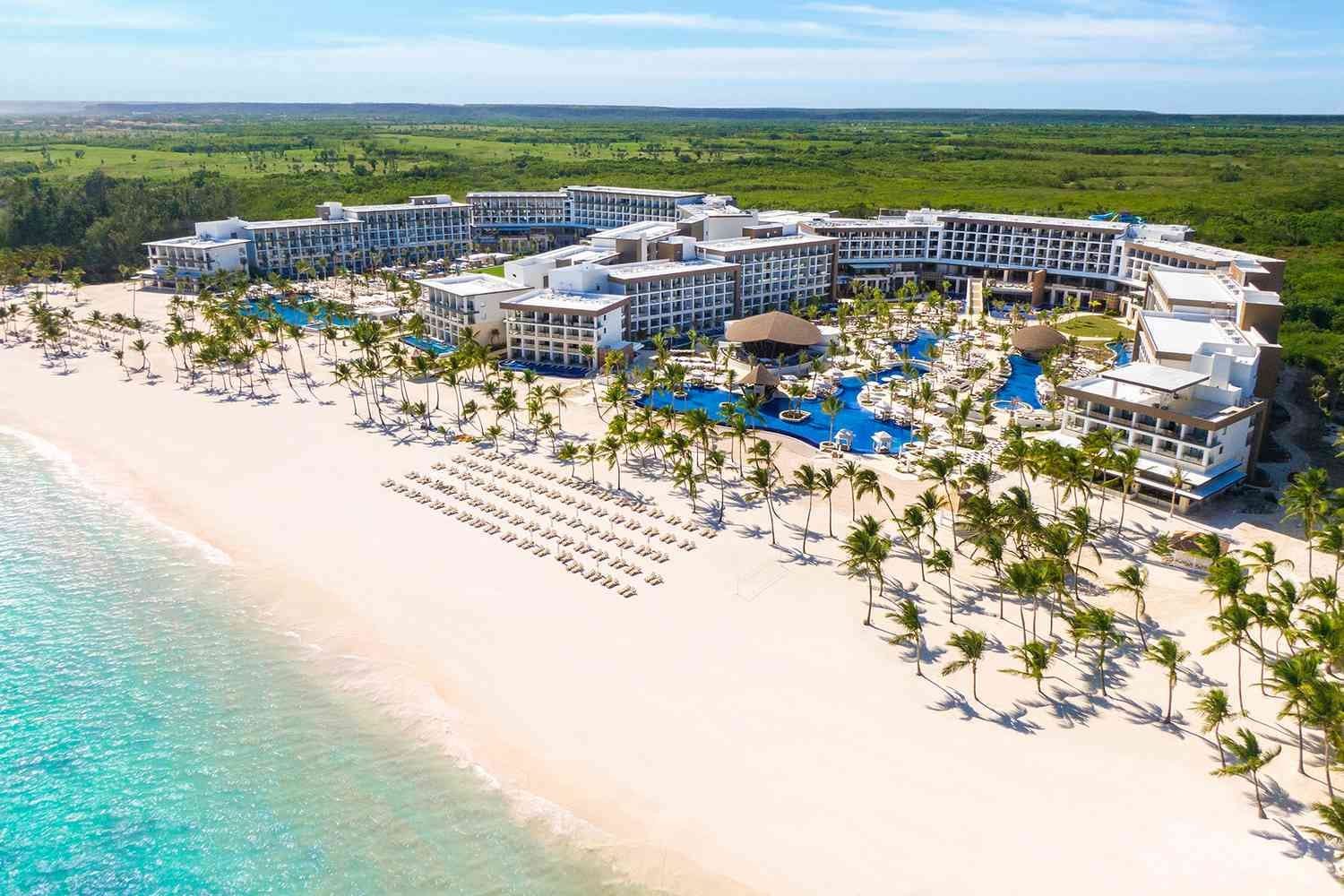
Punta Cana
The Caribbean’s leading tourist destination, with the best flight connectivity.
Build here →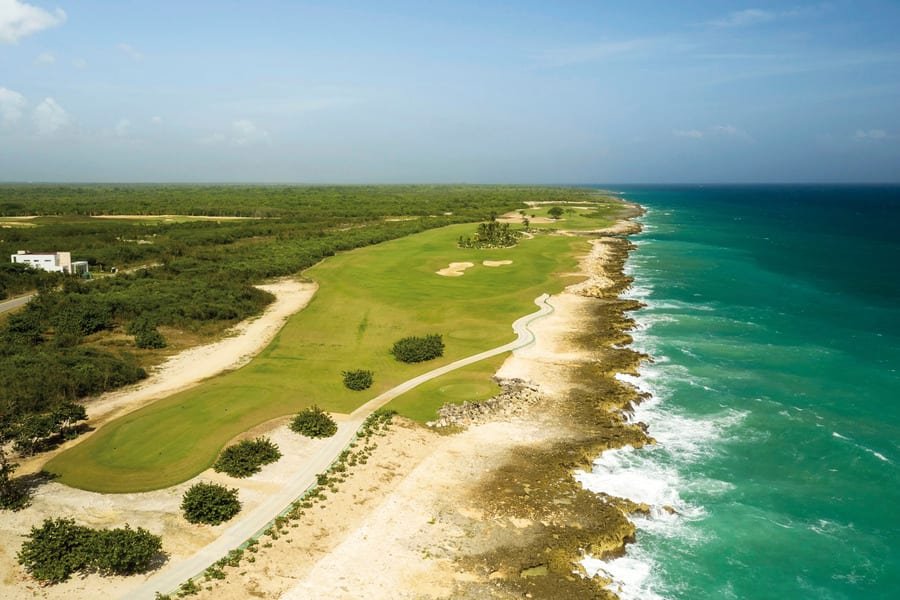
Playa Nueva Romana
Beach, golf and marina just one hour from Santo Domingo.
Build in Playa Nueva Romana →Ready to build the villa of your dreams?
Call us or write to us for a free, personalized consultation. It’s that simple.
I want my villa — WhatsApp