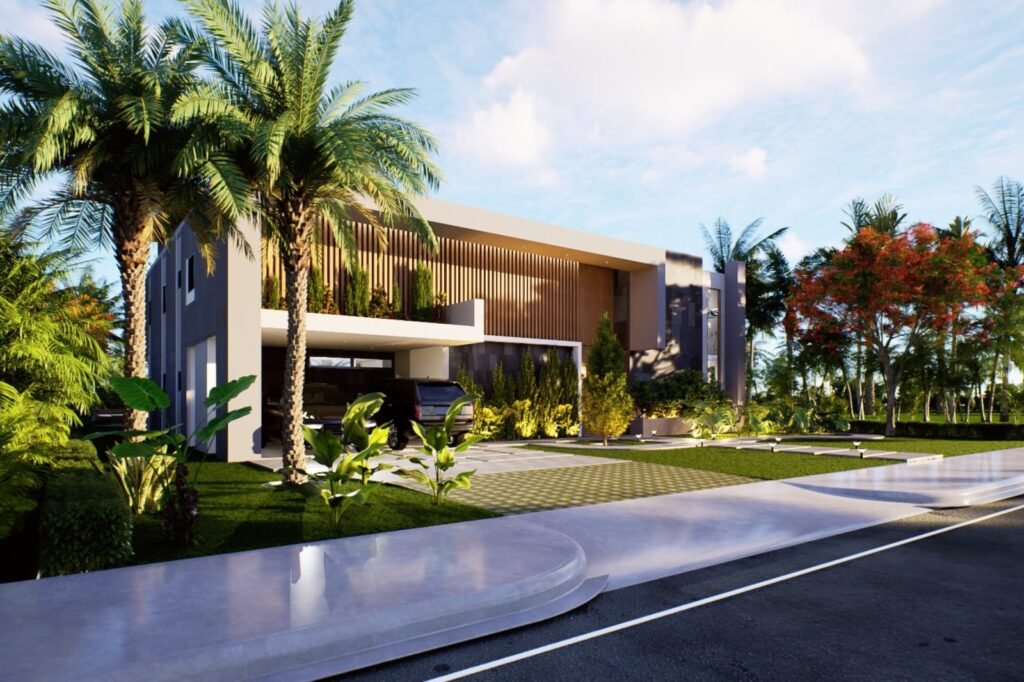
Building a villa is an exciting undertaking that combines the dream of a lifetime with the art and the craft of architecture and construction. Whether you are building for your family, for holiday rental or as a long-term investment, there are several crucial steps you need to follow if the project is going to run smoothly. In this post we go through the key stages of building a villa in detail, from the first piece of planning to handover.
1. Defining objectives and budget
Defining your objectives
The first step in any construction project is to be clear about what you want. Ask yourself: why am I building this villa? Is it for my own use, for rental, or as an investment? Each answer leads to different decisions in the design and the build.
Before any work starts, it is essential to have a clear picture of what you are trying to achieve. Here are some key questions that will help you define it:
- Purpose of the villa: will it be your main residence, a holiday home, or a rental property?
- Architectural style: classic, modern, rustic, or a combination? Your own taste and the surrounding context will both weigh on this.
- Size and layout: decide how many square metres you need and how the interior and exterior spaces will be arranged.
- Sustainability and energy efficiency: decide whether you want to build in sustainable technologies and practices — solar panels, rainwater collection, ecological building materials.
Setting a budget
The budget is one of the most critical parts of planning a construction project. A well-structured one keeps you in financial control and spares you unpleasant surprises along the way.
1. Cost of the land:
- Location: urban plots tend to cost more than rural ones. Consider how close you are to schools, hospitals and shopping.
- Size and shape: a larger or irregularly shaped plot can need more preparation, and that pushes the cost up.
- Ground conditions: commission a geotechnical survey to assess whether the plot is viable to build on. Unstable or problematic ground can raise the cost significantly.
2. Cost of construction:
- Building materials: the quality and type of materials (brick, timber, concrete and so on) drive the total. Choosing sustainable or high-end materials costs more up front, but over time it can pay back in durability and energy efficiency.
- Labour: research and hire qualified professionals with good references. Labour costs vary with the complexity of the design and with where you are building.
- Permits and licences: include the cost of obtaining building permits, inspections and the rest of the paperwork.
3. Additional costs:
- Design and consultancy: allow for the fees of architects, engineers and interior designers.
- Furniture and decoration: don’t forget the cost of furnishing and decorating the villa.
- Contingency: it is always advisable to add 10–15% to the total for the unforeseen. Construction throws up unexpected challenges — bad weather, building errors, changes in material prices.
2. Choosing the land
Choosing the plot is one of the most important decisions in building a villa. Location, size, topography and access all bear significantly on both the design and the cost.
What to weigh
- Location: proximity to essential services — hospitals, schools, supermarkets, public transport.
- Ground conditions: make sure you commission a soil survey to confirm the plot is fit to build on.
- Zoning and regulations: check the local building rules to confirm you can build what you want on that plot.
3. Design and planning
With a plot chosen and a budget set, the next step is designing the villa. This normally means working with architects and designers to produce detailed drawings.
Hiring the professionals
- Architects: a good architect will not only design an attractive, functional villa but will also make sure it complies with every local regulation.
- Structural engineers: they make sure the structure of your villa is safe and built to last.
- Interior designers: if the budget allows, an interior designer can help you create spaces that are both beautiful and workable.
Producing the drawings
The drawings need to cover the room layout, the exterior design, and the electrical and plumbing systems. And it is essential to have every necessary permit in hand before construction starts.
4. Obtaining permits and licences
Before construction begins you must obtain every permit and licence the local authorities require. These can include:
- Building permit: required for any new construction.
- Zoning permits: confirming your build complies with land-use rules.
- Environmental permits: if your construction affects the environment, you will need additional approvals.
5. Choosing contractors and suppliers
Picking the right contractors and suppliers is crucial to the success of the project. Do your research and get references before deciding. If you would rather not coordinate each trade yourself, the alternative is to put the whole job in the hands of one party.
General contractors
A general contractor takes charge of supervising the entire project, from the first excavation to the final finishes. It is essential to find one with real experience building villas and a solid reputation.
Material suppliers
Choosing high-quality materials makes a real difference to how long your villa lasts and how it looks. Research different suppliers and compare price against quality.
6. Starting construction
With every permit in hand and a team of professionals ready, it is time to start building. The opening stages include:
- Site preparation: clearing and levelling the ground.
- Foundations: laying a solid base is crucial to the stability of the villa.
- Structure: building the skeleton of the villa, walls and roof included.
7. Supervision and project management
During construction it is important to keep track of progress, so that everything is being done to plan and within budget. Constant communication with your contractor and the other professionals is the key to that.
Regular inspections
Schedule regular inspections to verify the quality of the work and compliance with building codes. That can include:
- Foundation inspections
- Structural inspections
- Electrical and plumbing inspections
8. Finishes and final details
Once the structure is complete, attention turns to the interior and exterior finishes. This includes:
- Wall and floor coverings
- Fitting windows and doors
- Lighting and plumbing systems
- Landscaping and gardens
9. Final inspection and handover
Before you call the project finished, carry out a final inspection to make sure everything is in order. That means checking every system works properly and that there are no defects in the finishes.
10. Maintenance after handover
Once the villa is finished and handed over, regular maintenance is crucial to preserving its value and how well it works. That can include:
- Garden and exterior upkeep
- Periodic checks of electrical and plumbing systems
- Minor repairs and renovations as needed
Conclusion
Building a villa is an exciting and demanding project that calls for careful planning and meticulous execution. From setting objectives and budget through to choosing the land and supervising the build, every step matters to the outcome. With the right team and a clear picture of what you want, you can turn the idea of the perfect villa into something real. If you want to see what an integrated design-and-build service covers, that is the eight steps above brought together under a single contract.